How to grow Hardy fuchsia in the UK
Dangling flowers like little ballerinas, all summer long.
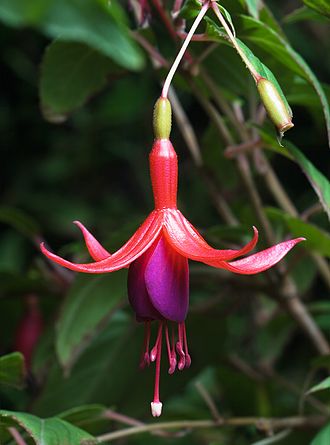
- DifficultyEasy peasy
- WhereBeds or Pots
- Sunpart shade
- Grows to60cm
- Spacing60cm
- Time to first pickabout 8 weeks
- Typeshrub
When to sow, plant and harvest hardy fuchsia
| Plant | early May to late June |
|---|---|
| In flower | early July to mid October |
Dates are for central England. Sow about two weeks later in the north and Scotland, and up to two weeks earlier in the south and south west. Get the dates for your postcode.
Planting it
- Water your new plants in their pots first
- Dig a hole a bit bigger than the pot
- Tip the plant out gently, holding the leaves, not the stem
- Pop it in the hole, firm the soil around it, and water well
- Space the plants about 60cm apart each way
Top tips for growing hardy fuchsia
- Plant it a little deeper than it was in the pot - it helps it survive winter.
Soil and feeding
Poor soil - really!. Nasturtiums flower best in poor soil. Feed them and you get all leaves and no flowers.
Harvesting and eating hardy fuchsia
Enjoy the dancing flowers. Cut it back in spring when new shoots appear.
Saving your own hardy fuchsia seed
Late spring or summer.
- Snip a soft, non-flowering shoot about 10cm long, just below a leaf
- Pull off the bottom leaves and push it into a small pot of gritty compost
- Cover with a clear plastic bag and keep it out of hot sun
- In 4-8 weeks it grows roots - a new plant
Where to buy hardy fuchsia plants
Thompson & Morgan · Suttons · Amazon
These are affiliate links: we may earn a small commission if you buy, at no extra cost to you. Read more.
Hardy fuchsia questions
When do I plant out hardy fuchsia?
Plant hardy fuchsia out from early May to late June.
When can I enjoy hardy fuchsia?
Hardy fuchsia is ready from early July to mid October. Enjoy the dancing flowers. Cut it back in spring when new shoots appear.
How long do hardy fuchsia take to grow?
Roughly 8 weeks from sowing or planting until the first harvest.
Are hardy fuchsia easy to grow?
Hardy fuchsia are rated 'easy peasy' for beginners, and can be grown in the ground or a raised bed or in pots and containers.
Plan your own garden: it tells you what to do and when, for your postcode.
Start growing - it's free